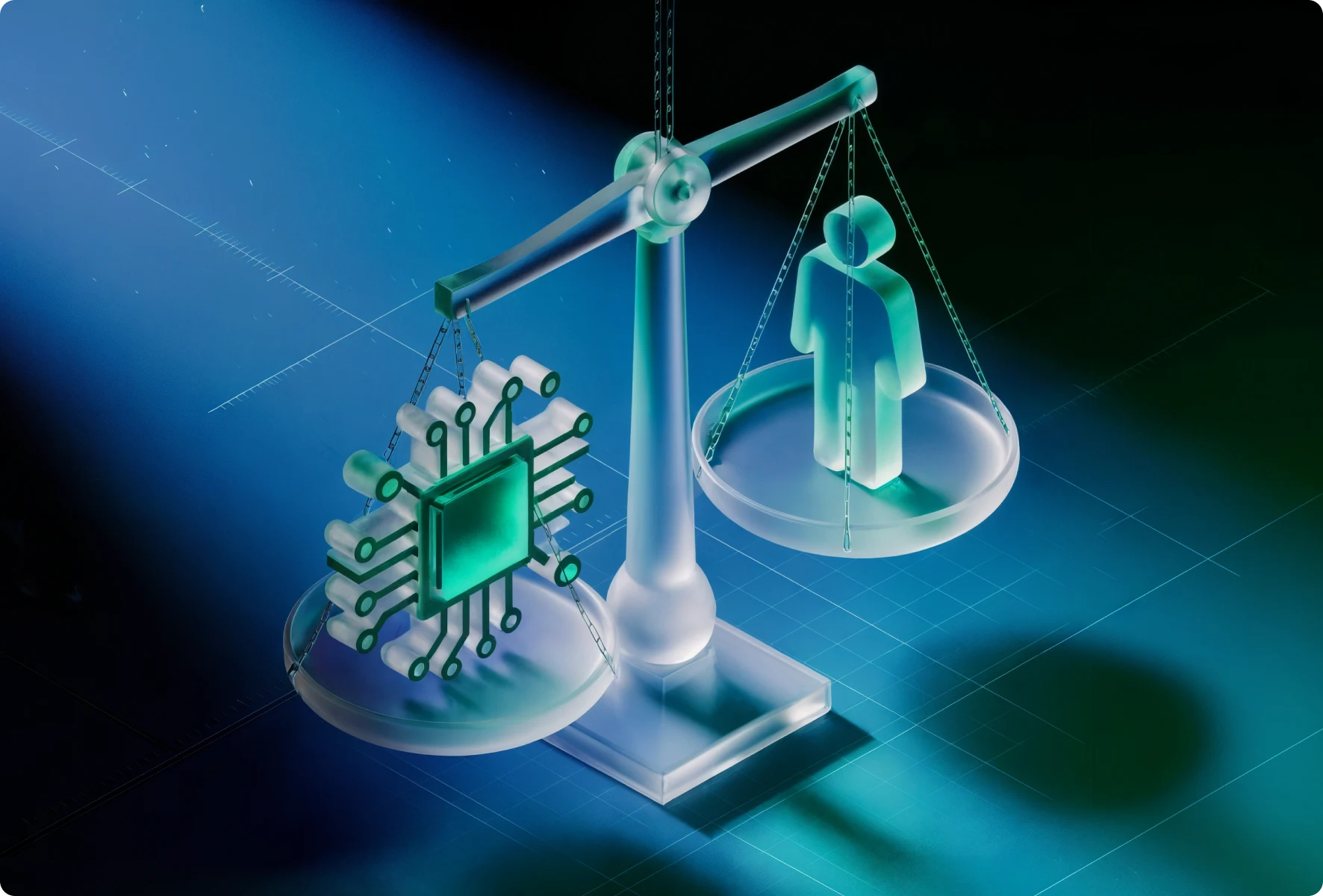

AI-powered exam proctoring has become essential for remote assessments, but what does the future hold for this technology? A recent academic review of over two dozen AI proctoring systems provides valuable insights into the industry's evolution, its major challenges, and the trends that will shape the future of online examinations.
Introduction
Online assessments have evolved from a temporary solution to a permanent fixture in education, professional certification, compliance training, and hiring. As remote testing becomes the norm, organisations face an increasing challenge: how can they maintain exam integrity without imposing unnecessary obstacles on candidates?
A recent review published in the Asian Journal of Advanced Academic Research and Analysis seeks to address this question. Instead of focusing on a single product or technology, the paper analyses more than 25 research studies and AI-powered proctoring systems developed over the past decade. It highlights the technologies in use, their benefits and limitations, and offers insights into the future direction of online exam monitoring. The review provides a valuable snapshot of the current market landscape.
Why This Research Matters
The online proctoring market has grown quickly. It started as a temporary solution for remote learning during the pandemic, but has now become a complex system of AI-based assessment platforms that support schools, certification organisations, employers, and training providers worldwide.
Every year, new technologies emerge, making it hard to distinguish between lasting trends and short-lived innovations. This is why this review is important. Instead of focusing on a single solution, the authors synthesise insights from numerous studies to highlight common technologies, ongoing challenges, and broader market trends.
Trend #1: AI Has Become the Foundation of Modern Online Proctoring
One of the clearest conclusions from the review is that AI is no longer an experimental addition to online exams; it has become the standard approach for monitoring remote assessments.
Across the systems analysed, artificial intelligence is used to automate tasks that previously required human invigilators, including identity verification, behaviour monitoring, suspicious activity detection, and exam session analysis.
This shift allows organisations to supervise large-scale assessments more efficiently while maintaining consistent monitoring standards, regardless of the number of candidates.
Trend #2: Proctoring Is Becoming Multi-Layered
Another key finding is the growing use of multiple AI technologies working together rather than relying on a single detection method.
The review identifies several technologies that now appear across modern online proctoring platforms:
Instead of depending on one signal, modern systems combine these data points to build a broader picture of candidate behavior, improving detection accuracy while reducing reliance on manual supervision.
Trend #3: The Focus Is Expanding Beyond Security
Security remains the primary goal of online proctoring; however, research indicates that the industry's priorities have expanded significantly. Many of the reviewed systems now emphasise:
- Cloud scalability for large testing groups
- Automated reporting and analytics
- Flexible deployment across various devices
- Integration with learning platforms
- Biometric authentication
- Enhanced user experience for administrators
In essence, today's platforms are expected to provide more than just cheating detection; they are evolving into comprehensive assessment management tools.
Trend #4: Privacy and Fairness Have Become Central Discussions
Interestingly, some of the paper's strongest conclusions aren't about technology at all.
The authors repeatedly highlight concerns around:
- biometric data privacy
- compliance with data protection regulations
- algorithmic bias
- false positives
- accessibility
- unequal access to reliable devices and internet connectivity
These issues appear consistently in recent research, suggesting that the industry's biggest challenges are becoming as ethical as they are technical. Rather than asking whether AI should be used, researchers are increasingly asking how it can be implemented responsibly.
Trend #5: Human Oversight Isn't Going Away
One of the more interesting observations from the review is that researchers aren't advocating for fully autonomous exam monitoring.
Instead, many studies point to hybrid approaches in which AI identifies potentially suspicious events while humans make the final judgment.
This helps reduce administrative workload without allowing algorithms to make high-stakes decisions on their own, a direction that aligns with broader trends in responsible AI across many industries.
Where the Research Says the Industry Is Heading
The review lists important goals for the next generation of online proctoring systems:
- Improve fairness for all candidate groups
- Reduce false positives with better machine learning
- Strengthen privacy protections
- Expand accessibility features
- Combine AI with human review
- Explore blockchain for credential verification
- Create clearer and more understandable AI systems
These goals indicate a shift in how we measure success. Future platforms will focus not just on detecting cheating but also on balancing security, transparency, privacy, and candidate experience.
What This Means for Organizations Running Online Assessments
For educators, certification providers, and employers, this review emphasises a crucial point: effective online proctoring is not simply about using the most aggressive monitoring technology available. Instead, it focuses on selecting solutions that offer meaningful evidence, support fair decision-making, and foster a trustworthy assessment environment for all parties involved.
As AI capabilities continue to advance, organisations should look beyond individual features and assess how evaluation platforms address privacy, accessibility, transparency, and user experience, all while maintaining exam integrity.
Final Thoughts
Recent academic research clearly shows that the industry is entering a new phase. AI-powered proctoring has progressed beyond simply demonstrating that remote exams can be secure. The current discussion now centers on developing systems that are accurate, scalable, ethical, and respectful of users.
This shift is encouraging for organizations investing in online assessments. The future of exam integrity will not involve replacing human judgment with algorithms; instead, it will focus on utilizing AI to make assessments more reliable, efficient, and ultimately trustworthy for both administrators and candidates.